Northumberland Park movers guide for busy terraced homes
Moving out of a terraced home in Northumberland Park can feel like trying to do three jobs at once: keep the hallway clear, stop the street from turning into a bottleneck, and somehow remember where the kettle is. If you are juggling work, children, shift patterns, or just a packed life in general, the right Northumberland Park movers guide for busy terraced homes makes a real difference. It helps you plan access, avoid parking headaches, and move in a way that feels calm enough to manage, not frantic from the first box to the last.
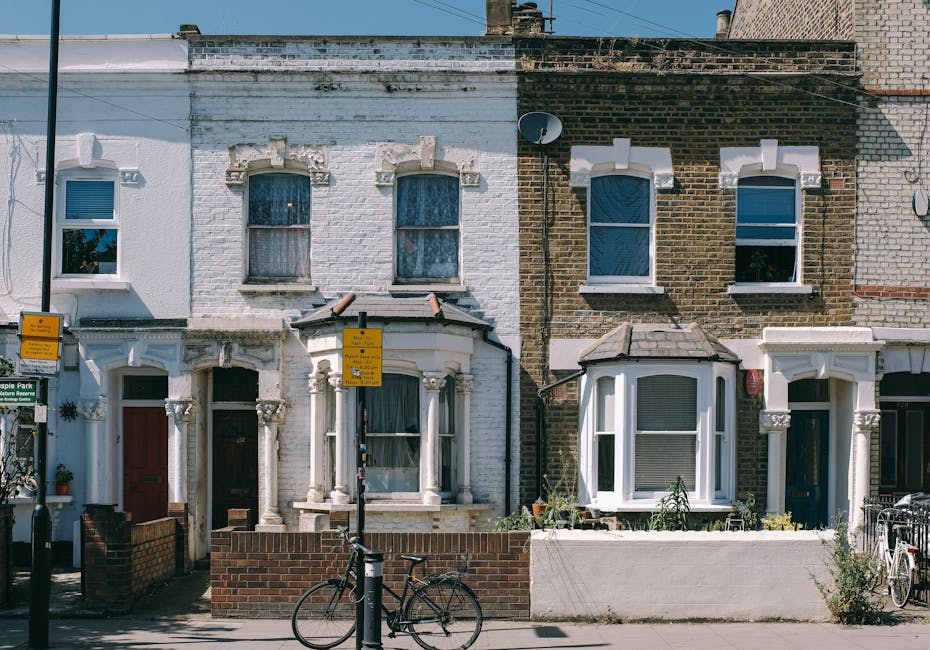
Terraced properties have their own rhythm. Narrow front paths, shared access, tight staircases, neighbours parking close to the kerb, and the lovely but awkward reality of Victorian or post-war layouts can all slow a move down. The good news? With a bit of structure, the right removal help, and a few local-aware decisions, the day becomes far more predictable. Let's make it practical.
Contents
- Why Northumberland Park movers guide for busy terraced homes Matters
- How Northumberland Park movers guide for busy terraced homes Works
- Key Benefits and Practical Advantages
- Who This Is For and When It Makes Sense
- Step-by-Step Guidance
- Expert Tips for Better Results
- Common Mistakes to Avoid
- Tools, Resources and Recommendations
- Law, Compliance, Standards, or Best Practice
- Options, Methods, or Comparison Table
- Case Study or Real-World Example
- Practical Checklist
- Conclusion
- Frequently Asked Questions
Why Northumberland Park movers guide for busy terraced homes Matters
A terrace move is not just a smaller version of a house move. It has different pressure points. In a busy part of North London, the street outside may already be tight before a van arrives. If the property is on a row with limited frontage, you may have less room to stage items, less space for a van to wait, and less tolerance for delay. That matters because the smallest obstacle can snowball into a long, tiring afternoon.
For busy households, the real challenge is time. You are rarely moving under ideal conditions. Maybe school drop-off is at the same time the sofa needs to leave. Maybe you are doing the move around work calls. Maybe the property is full of everyday clutter because life has not paused for packing. Truth be told, that is most people. A good move guide matters because it turns vague stress into a sequence of workable decisions.
It also matters for neighbour relations. Terrace streets are close-knit, and nobody wants a blocked path, van doors left open in the road, or furniture scraped across paving slabs at 7am. A considerate move protects your own day and keeps the atmosphere on the street much better. That sounds small, but on moving day small things are everything.
How Northumberland Park movers guide for busy terraced homes Works
The basic idea is simple: reduce friction before moving day, then move in the most logical order for a narrow-access home. A proper plan usually starts with a survey of the property and street access. That includes front door width, internal stairs, parking proximity, any loading restrictions, and whether larger items need disassembly. If the move involves upper floors, you also want to think about turning space on the landing and how boxes will be handed down safely.
From there, the move is usually scheduled around access, not just around your diary. That means choosing the right time of day, deciding what gets loaded first, and arranging the right vehicle size. A smaller vehicle can sometimes be easier on a terraced street than a big lorry, especially where parking is tight. A well-planned man and van arrangement can be ideal for lighter loads or short local moves, while a more substantial service may suit a full family move with furniture, white goods, and packed rooms.
Many households also combine the move with packing support. That is where services like packing and unpacking services become useful, especially if you are working to a deadline. In practical terms, the process works best when each stage makes the next one easier: clear access first, labelled rooms second, then load in an order that matches the new home.
You do not need to turn moving day into a military operation. But you do need a sequence. Otherwise, boxes wander, someone loses the key papers, and the tea bags vanish into a mystery box marked "misc." Happens all the time.
Key Benefits and Practical Advantages
The biggest benefit is control. A move in a terraced street can feel crowded very quickly. When the plan is strong, you reduce the chance of bottlenecks, wasted lifts, and repeated trips carrying the same box down the stairs. You also reduce the risk of damage, which is a big one. Tight hallways and narrow staircases are unforgiving if furniture is rushed or carried by people who cannot properly see around it.
Another practical advantage is speed. Not rushed speed, but efficient speed. When movers know the access route, the parking arrangement, and which items need stripping down first, they can work in a better rhythm. That rhythm matters. You will notice the difference after the first hour, when the hallway is still clear and nobody is gasping because a wardrobe has to be turned sideways in a staircase that barely cooperates.
There is also a cost advantage, even if people do not always think about it that way. Time lost is often money lost, especially if you are paying by the hour or moving around other commitments. Good planning reduces unnecessary labour and lowers the chance of paying for avoidable delays.
Expert summary: In a busy terraced-home move, the winning formula is usually not "more muscle." It is better timing, better packing, better access planning, and fewer surprises. That combination saves effort, stress, and often a bit of cash too.
Who This Is For and When It Makes Sense
This guide is especially useful if you live in a terraced home in Northumberland Park and any of the following sound familiar:
- You have limited roadside parking or narrow access outside the property.
- You are moving with children, pets, or people who need routines kept as normal as possible.
- You work long hours and need the move to happen with minimum disruption.
- You have a mix of furniture sizes, boxes, and awkward items like mirrors, bikes, or flat-pack items waiting to be dismantled.
- Your staircase is tight, steep, or has a turn midway up.
- You want help loading quickly without dragging neighbours into the process.
It also makes sense if you are trying to move in phases. A lot of busy households do not move in one neat bundle; they move the essentials first, then the rest later. That can work well, especially if you are using a local service and want flexibility. A smaller van can sometimes be the sensible option for this kind of staged move, while larger removal services may suit larger family homes with fuller loads.
If you are on a deadline, or the chain has already been less than charming, this sort of guidance becomes even more valuable. Nobody needs more chaos on top of completion-day nerves.
Step-by-Step Guidance
1. Walk the route before you pack a single box
Start with the street, not the living room. Look at where a van could stop, how far the walk is to the door, and whether anything blocks the path. Check for front garden gates, narrow pavement sections, low overhanging branches, and any awkward bends. A five-minute walk-through can save an hour of frustration later.
2. Decide what needs special handling
Large wardrobes, beds, mattresses, freezers, and anything heavy or fragile deserve early attention. If an item will not safely fit down the stairs in one piece, plan for disassembly. It is far easier to remove a bed frame before the room fills with boxes. You know this already, probably, but it is easy to forget once the day gets busy.
For bedding and mattresses, use proper protection and make sure items stay dry. If you need more guidance on protecting a mattress or similar bulky item, the topic is covered in practical depth in innovative strategies for bed and mattress relocation.
3. Pack by access, not just by room
Rooms are useful labels, but access is what really matters on moving day. Put the easiest items in first if they can be stacked safely, then handle awkward furniture while the pathway is still clear. Keep important items close at hand: keys, documents, chargers, medication, snacks, and the kettle. Yes, the kettle. It deserves its own section in most British moves.
4. Reserve a realistic loading window
Busy terraced streets do not always reward tight schedules. If the van is planned to arrive at 9am, you should already have pathways cleared before that. Leave a small buffer for the unexpected: a neighbour's car, a misplaced box, or an extra round of tape because someone used the last roll "just for a moment."
5. Load in a sensible sequence
The best loading order usually puts heavier, sturdier items in first and more delicate boxes on top where appropriate. That sounds obvious, but in practice people often overload the van with small items first and then struggle to place the furniture safely. An experienced team will think about weight distribution, the order of unloading, and how to avoid crushing softer items.
6. Do a final room-by-room sweep
Before leaving, check cupboards, loft access, under beds, window sills, and the tops of wardrobes. You would be amazed how often one forgotten charger or toy appears just after the keys change hands. It is rarely dramatic. Usually just mildly annoying. Which is enough, to be fair.
Expert Tips for Better Results
First, label more clearly than you think you need to. Not just "kitchen," but "kitchen - kettle, mugs, tea, toaster." Busy homes do far better when the first-night essentials are impossible to miss. That one habit can make the new place feel functional much earlier.
Second, protect the route. In terraced homes, the hallway is the workhorse. If the floor is delicate, slippery, or easily marked, cover it early. If the weather is wet, have old towels or floor protection ready near the entrance. A damp boot print at the front door is one thing. A muddy corridor after ten trips is another.
Third, keep heavy lifting realistic. There is a point where "helping out" becomes risky. If something is too awkward, too heavy, or too valuable to carry casually, slow down and use the right equipment or the right team. If you need advice on lifting technique before the day, the practical guidance in pro tips for safely lifting heavy objects on your own is worth a look.
Fourth, have a plan for waste. Moving creates a surprising amount of packaging, broken-down cardboard, unwanted furniture, and odd bits that nobody wants in the new home. If you are clearing items before the move, it helps to understand local disposal expectations. A useful related read is Tottenham council waste rules and how to avoid fines on disposal, especially if you are getting rid of bulky items.
And finally, do not leave parking to chance. Sometimes people assume there will be room. Sometimes there is, until there absolutely is not. A tiny bit of planning around loading space can save a very long day.
Common Mistakes to Avoid
The first common mistake is underestimating access. Terraced homes can be deceptive from the outside. A property may look straightforward until you try to turn a sofa at the bottom of the stairs. That is when the measurements suddenly matter. Measure doorways, hall turns, and any tight internal spaces before moving day.
The second mistake is overpacking boxes. Heavy boxes are a classic moving headache. They may seem efficient at the start, but by the third trip they become awkward, unsafe, and slow. Books, tools, and cookware should be spread out sensibly, not piled into one heroic box that nobody wants to carry.
The third is forgetting timing. In a busy household, if the move clashes with school runs, work calls, or collection times, your focus gets pulled in too many directions. That usually causes small errors: things get left behind, labels go missing, and people start putting random items in random rooms. Not ideal.
The fourth is ignoring neighbour impact. A van blocking access, doors swinging open across the pavement, or boxes left on the path can quickly create tension. A considerate move is simply easier. Everyone's day runs better.
One more mistake, and this is a common one, is trying to do too much on the day. Packing should mostly be finished before the van arrives. If you are still hunting for tape while the movers wait outside, the schedule slips instantly. And once the clock starts slipping, it never seems to stop, does it?
Tools, Resources and Recommendations
You do not need a mountain of equipment, but the right basics make a big difference. For most terraced-home moves, these are the useful essentials:
- Strong boxes in a few standard sizes
- Good packing tape and a dispenser
- Bubble wrap or paper for fragile items
- Labels or marker pens
- Furniture blankets and straps
- Dolly or sack truck for heavier items
- Floor protection for hallways and thresholds
- Zip bags for screws, brackets, and small fittings
If you are trying to simplify before packing, decluttering first can save a surprising amount of time. A useful guide on that mindset is pre-move decluttering and how to simplify your life. It is not just about being tidy; it is about moving fewer things you no longer need.
If you are not sure whether you need a smaller vehicle or a more complete removals package, it helps to compare the options against your access and volume. For some households, removals near me gives the convenience of a local team that knows the area. For others, a more tailored service like house removals is a better fit for a fuller home move.
If you are moving a particularly bulky item, such as a sofa, freezer, or large frame, it is wise to think beyond pure strength. You want grip, route planning, and protection too. A lot of damage happens not because the item was too heavy, but because the route was too tight and nobody paused to plan the turn.
Law, Compliance, Standards, or Best Practice
For most home moves, the main compliance issues are practical rather than complicated. You may need to think about parking arrangements, any local restrictions on stopping or loading, and how your removal vehicle uses the road. In some cases, people arrange permits or suspensions where necessary, but the exact requirement depends on the street and the local authority process. It is worth checking the details well in advance rather than guessing on the day.
Health and safety is also a real consideration. Good movers should use sensible manual-handling practices, take care on stairs, and avoid unsafe lifting. That is especially important in terraced properties where space is tight and repetitive carrying can cause fatigue quickly. If you want to understand the kind of standards a reputable operator should work to, the pages on health and safety policy and insurance and safety are useful reference points.
Best practice also includes protecting floors and walls, securing items properly in transit, and communicating clearly about fragile goods. Reputable moving support should be transparent about what it can and cannot safely carry, how it handles damage risk, and what happens if access is more difficult than expected.
For pricing, keep things straightforward and ask what is included. Are packing materials extra? Is dismantling included? Is waiting time charged? Small questions, but they matter. A clear quote is often a sign of an organised operation, and it helps you avoid that slightly awkward surprise at the end of the day when everybody suddenly remembers something was "assumed."
Options, Methods, or Comparison Table
Choosing the right moving method depends on property size, access, timing, and how much support you actually need. Here is a simple comparison to help you weigh things up.
| Option | Best for | Strengths | Possible drawbacks |
|---|---|---|---|
| Man and van | Smaller loads, short local moves, phased moves | Flexible, often quicker to book, good for tight streets | May be less suitable for larger family homes with lots of furniture |
| Full house removals | Complete home moves with many items | Better for full packing, loading, and coordinated handling | Usually more expensive and may need tighter scheduling |
| Packing plus removals | Busy households with little spare time | Reduces stress, saves time, improves organisation | Costs more than transport alone |
| Self-managed move with hired vehicle | Very small or budget-led moves | Lower direct cost, more control | Higher physical effort, more chance of delay or damage |
For many terraced homes, the best option is not the biggest vehicle or the cheapest one. It is the option that fits the street, the staircase, and your actual schedule. That sounds obvious, but lots of problems come from ignoring one of those three things.
Case Study or Real-World Example
Here is a realistic example. A couple in a two-storey terraced home in Northumberland Park needed to move after a completion delay changed the original date. Both were working, one with early starts and one with shifts, and the property had a narrow hallway and a steep staircase with a tight turn on the landing. They could not afford a full weekend of chaos.
The solution was simple but disciplined. They decluttered a week earlier, boxed the kitchen by category, separated first-night essentials, and measured the biggest items before moving day. A smaller vehicle was used for access reasons, and the furniture was partially dismantled in advance so the loading was smoother. They also kept the hallway clear and protected the floor near the entrance because the weather was damp that morning.
The interesting part was not that everything went perfectly. It didn't. One wardrobe door had to come off, and one box was relabelled after being packed too early. But the move stayed controlled because the access was planned properly, and nothing had to be solved under pressure. That is the real win. Not perfection. Just no unnecessary drama.
For families in a similar position, a little structure goes a long way. If you are comparing broader moving options, it can help to read up on general home moves and then narrow the plan to the realities of your own street.
Practical Checklist
Use this checklist in the final week before the move. It keeps things grounded when everything starts to feel slightly too busy.
- Measure the widest furniture and compare it to doors, halls, and stairs.
- Confirm where the van can stop and whether loading space is clear.
- Separate essential items for the first night.
- Label every box clearly with room and content.
- Protect floors, bannisters, and door frames if needed.
- Disassemble large furniture before the day if possible.
- Set aside tools, keys, chargers, medication, and documents.
- Keep children and pets away from the main loading route.
- Check the weather and plan for wet shoes or damp packaging.
- Walk through every room, cupboard, loft hatch, and under-bed area before leaving.
Quick practical note: if the house is especially full, do not leave decluttering until the final evening. That is a fast route to random decisions, emotional recycling piles, and a lot of "why on earth did we keep this?" moments.
Conclusion
A Northumberland Park move in a terraced home does not have to feel overwhelming. Once you understand the access, choose the right moving method, and prepare the property in the right order, the whole thing becomes much more manageable. That is the real value of this kind of guide: it turns a busy, cramped, time-sensitive move into a process you can actually navigate.
For most households, the biggest gains come from small choices made early. Clear the route. Pack smarter. Measure the awkward items. Keep the essentials close. And do not assume the street outside will magically cooperate, because it usually will not. With the right planning, though, even a busy terraced-home move can feel organised, steady, and surprisingly manageable.
If you are ready to make the process easier, compare your options, ask the practical questions, and choose the support level that fits your home rather than forcing the day to fit the home. That is where a calmer move begins.
Get a free quote today and see how much you can save.
Frequently Asked Questions
How do I prepare a terraced home for movers in Northumberland Park?
Start with access. Clear the hallway, measure awkward furniture, and make sure the path from front door to van is as open as possible. Then label boxes properly, separate essentials, and prepare anything that needs dismantling. A tidy route makes a much bigger difference than people expect.
What is the best moving option for a busy terraced house?
That depends on how much you are moving and how tight the access is. For smaller or phased moves, a man and van setup can be practical. For a full household, a more complete removals service is usually easier. The best choice is the one that fits your street, your timetable, and your load size.
Do I need to measure furniture before moving day?
Yes, especially in a terraced home with narrow stairs or tight turns. Measure large items such as wardrobes, beds, sofas, and appliances. It saves time and helps you decide whether something should be dismantled before the move.
How early should I book movers for a Northumberland Park move?
As early as you reasonably can, especially if you are moving during a busy period or have access limitations. Earlier booking gives you more choice over timing and makes it easier to plan around parking and work commitments.
Can movers help with packing as well as transport?
Yes, many people choose packing and unpacking support because it reduces pressure on the household. It is particularly useful if you are short on time or managing work and family commitments at the same time.
What items are hardest to move in a terraced home?
Large wardrobes, beds, mattresses, sofas, freezers, and anything heavy but awkward to grip tend to be the trickiest. Narrow staircases and tight landings make those items harder than they first appear.
How can I reduce stress on moving day?
Keep the essentials separate, finish packing early, and avoid last-minute sorting. Also, make sure the route is clear and the moving vehicle has a sensible place to stop. The less decision-making left for the day itself, the better.
What should I do if parking outside is limited?
Plan it in advance and work out the closest practical loading point. If the street is tight, timing matters as much as space. A smaller vehicle or shorter loading window can sometimes be the better answer.
Are there rules I need to think about when moving out of a terrace?
Yes, mainly around parking, loading, waste disposal, and safe lifting. Depending on the street, you may also need to consider any parking controls or local permissions. It is always better to check details early rather than assume the road will be simple on the day.
What is the biggest mistake people make with terraced-home removals?
Underestimating access. Many people focus on how many boxes they have, but the real issue is often the route in and out of the property. Stairs, hallways, parking, and timing usually cause the biggest problems.
How do I know if I need a full removals service or just a van?
Think about how much you own, how much help you want, and how narrow the property access is. If your home is full, your stairs are tight, or you need help loading everything carefully, a fuller service may save you time and hassle. If the load is light and local, a van may be enough.
Can I move in stages from a terraced home?
Yes, staged moves can work well, especially for busy households or homes with limited access. The key is to keep the essentials organised and make sure each trip has a clear purpose. That way the process stays controlled instead of becoming a slow, confusing trickle.