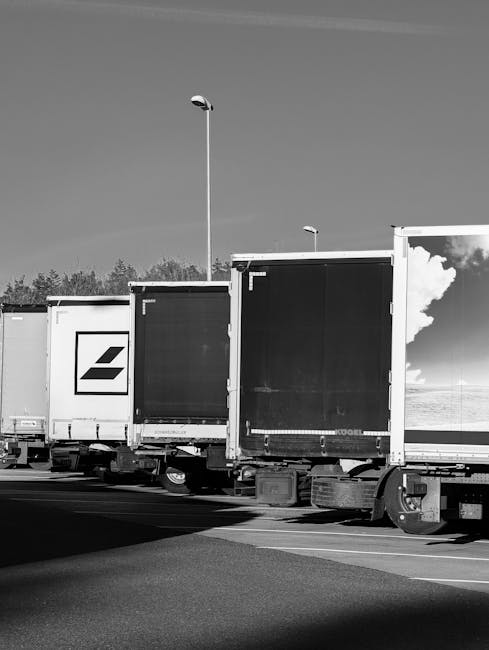
Man with a Van Tottenham for home and business removals

Man with a van in Tottenham provides a flexible way to move furniture, boxes and everyday household items across the local area and beyond. It suits customers who need help with a flat move, a one-room clearance, collected items from a shop or storage, or a straightforward delivery that is too bulky for a car. The service is best understood as practical transport with loading support, rather than a full-scale removals package with every possible extra built in.
Our work can cover single items, part-load moves and more organised removals where careful handling matters. That includes heavier household pieces, dismantled furniture, office contents and awkward items that need planning before they are lifted. If you are comparing service options, the main choices are usually how much needs moving, how much help is needed at each end, and whether you want help with packing, furniture protection or recycling of unwanted items. Pricing and quotes can help you weigh those decisions.
For a quotation, it helps to think about the item count, the size of access points and whether there are stairs, lifts or parking constraints. A short description is usually enough to begin with, and photos can make it easier to judge the right vehicle size and lifting approach. Clear details lead to a clearer plan, especially when the job includes mixed furniture, fragile pieces or multiple pick-up points. You can also use the enquiry route on the site when you are ready to request a price.
House removals and moving support
House removals work best when the move is organised around the contents, access and timing rather than simply the distance travelled. A man and van setup can be particularly useful for one-bedroom flats, smaller family homes and partial moves where a full-size removal fleet would be more than you need. The service can be arranged for furniture, white goods, packed boxes and personal effects, with careful loading to help keep items stable in transit.
When comparing home-moving options, look at what support is included. Some customers only need transport, while others want help carrying items, protecting surfaces, or moving pieces from upstairs rooms and basements. If you need a more structured moving service, the home moves page is a sensible place to review how residential removals can be approached in a practical, staged way.
A successful move often depends on sequencing. Larger furniture may need to come out first, delicate items should be placed where they will not shift, and box weight should be balanced across the load. That is why the right plan is not just about vehicle capacity; it is also about how the items are packed, which route is taken through the property and whether any pieces need dismantling before collection. Thoughtful loading saves time and reduces avoidable handling.
Furniture collection and single-item transport

Furniture pick-up is often the simplest use of a man with a van service, especially when one item is too large to move alone or too valuable to risk damaging in a hurried attempt. Sofas, wardrobes, tables, beds and cabinets can usually be collected, loaded and delivered without the customer needing to hire a larger vehicle. This is also a useful option for online purchases, showroom collections and moving a piece between homes.
Some jobs need extra attention because of weight, shape or surface finish. A polished dining table, for example, may need blankets or edge protection, while a tall wardrobe may require removal of doors or shelving before it can be carried safely. The furniture pick-up page is useful if your main requirement is moving one or more substantial items rather than organising a full move.
For this type of job, access details matter as much as the item itself. A narrow hallway, basement steps or a tight landing can change the handling method completely. If you can describe the item dimensions, whether it can be dismantled, and how far it needs to be carried, the quotation can reflect the real work involved instead of relying on a guess. That keeps the service practical and straightforward.
Office removals and commercial transport
Office removals require a different approach from residential moves because workspaces often contain a mix of furniture, files, IT equipment and items that need to be packed in a specific order. A man with a van service can be useful for smaller offices, satellite spaces, studio setups and internal relocations where the main aim is to move equipment without interrupting the working day more than necessary. The emphasis is on orderly loading and sensible handling.
Where business contents are involved, it helps to separate items by type before the move starts. Desks, chairs, storage units and boxed paperwork all move differently, and delicate equipment should be treated with added care. If you are planning a workplace move, the office removals page gives a clearer route into the commercial side of the service, while office relocation services can be relevant when the job is broader than simple transport.
Commercial jobs are often judged on access, timing and the amount of preparation required at the premises. Loading bays, lift use, stair carries and the need to work around other staff all affect how a move is organised. A concise inventory is often enough to begin with, but it is worth noting any fixed furniture, IT hardware or items that need to stay upright. Good sequencing matters because office contents tend to be mixed and fragile in different ways.
Packing, loading and careful handling

Packing and unpacking services can support a move where the customer wants help preparing items before transport or sorting them again afterwards. This may include wrapping furniture, organising boxes, separating breakables from heavier goods and making sure the load is arranged in a stable order. It is especially helpful when a property contains a mixture of everyday items and pieces that need extra protection during transit.
Good packing is not only about speed. It also helps keep groups of items together so that they are easier to unload and place at the destination. If you are reviewing service options, the packing and unpacking services page is useful for understanding how this part of a move can be arranged alongside transport. Packing can be partial rather than complete, depending on what you want to handle yourself.
Useful preparation is usually simple and specific. Keep small loose items in boxes, remove anything that may catch on doorframes, and separate the things that need to be unloaded last. If the van is carrying a mixture of furniture and boxed belongings, it also helps to note which items are fragile, heavy or awkwardly shaped. These practical steps make the move easier to manage without overcomplicating the process.
Areas of service and vehicle options
Man and van work can be adjusted to suit different types of journey, from local deliveries around Tottenham to more complex removals with several collection points. Vehicle choice matters because not every job needs the same load space or lifting arrangement. A smaller van may suit a single delivery or compact flat move, while a larger removal van can be better when there are more items, larger furniture or a longer route with fewer chances to reload.
If you are comparing vehicle-based services, the relevant pages include moving van, moving truck and removal van, each of which signals a slightly different way of handling transport. The best choice depends on how much needs to travel, whether items are bulky or lightweight, and how much space is needed to keep everything secure rather than stacked too tightly.
It is also worth thinking about the access at both ends. A vehicle that fits the job on paper still needs workable loading space in practice. Narrow roads, parking restrictions, shared entrances and upper-floor apartments can all influence the setup. A careful assessment of those details is usually more useful than simply choosing the biggest available option, because the aim is to move the load safely and efficiently.
How quotes are usually worked out

Quotation requests are easiest to assess when they include the type of job, the approximate number of items and any special handling needs. For a simple collection, that may be enough to estimate the van size and the time required. For a fuller move, it helps to add collection and delivery postcodes, stairs, parking notes and whether the items need dismantling or wrapping. The more precise the outline, the more relevant the price discussion can be.
There is no need to overstate the job or leave out details that matter. A wardrobe that needs taking apart, a sofa that will not fit through the front door or several boxes stored in a basement each change the way the work is planned. If you prefer to explore the commercial side first, the pricing and quotes page offers a sensible starting point before you make an enquiry. You can also contact us directly for a quotation.
Helpful details for a quote usually include: what needs moving, where it is going, whether help is needed at each end, and any access issues such as stairs, lifts, parking or narrow entrances. If there are fragile items, awkward dimensions or multiple stops, mention those too. That keeps the conversation focused on the actual work, rather than broad estimates that are less useful to you.
About Tottenham
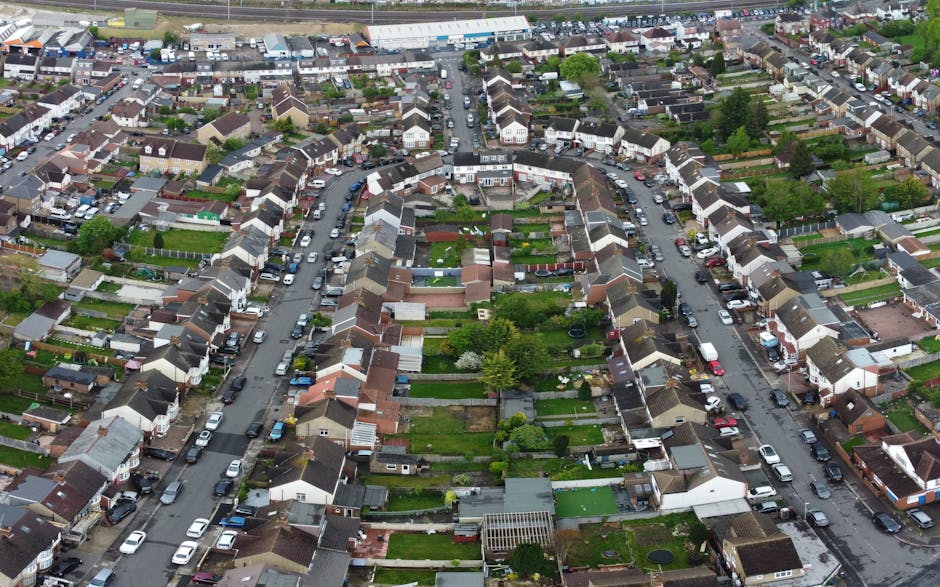
Tottenham is a district in the London Borough of Haringey, in north London, with a long history shaped by settlement, transport links and later urban growth. It sits within the Lea Valley landscape and is closely associated with the River Lea and its network of canals, reservoirs and open spaces. The area developed from a historic village into a busy urban district, and its built environment reflects that change through a mix of Victorian terraces, post-war estates, later infill development and commercial corridors. Tottenham High Road remains one of the best-known routes through the area, linking local neighbourhoods and forming part of its everyday character. The district is also known for landmarks such as Tottenham Hotspur Stadium, which replaced White Hart Lane as the club’s home ground in 2019 and has become a major feature of the local skyline. Nearby green spaces include Tottenham Marshes and River Lee Country Park, both of which connect the district to broader east London and the Lea Valley Park landscape. Cultural life in Tottenham is varied, with markets, sports, faith communities and independent businesses contributing to a lively streetscape. The area’s transport connections, including rail and Underground links, have long influenced how it developed and how people move through it, while the surrounding neighbourhoods give it a distinctive local identity within inner north London.
Household moves for flats, shared homes and larger properties
House movers often need a service that can adapt to different property types, from compact flats with limited access to larger houses with more furniture and contents to shift. The main decision points are usually how much time the move will take, whether items can be carried in one load or several, and whether any special handling is needed for stairs, narrow landings or awkward room layouts. A van-based move can be a practical middle ground.
If you are comparing service styles, the terms on the site can help narrow the choice. House movers suggests a more residential focus, while house removals and house removalists point to broader moving support. The differences are often about scale and presentation rather than a completely separate kind of job, so it is worth matching the page to the size of your move.
Shared homes and flats often involve careful coordination because not all belongings are packed in the same way. The best results usually come from clear labelling, separating essentials from non-essentials and deciding which items should travel first. A move does not have to be overplanned, but it does benefit from sensible ordering so that the most important pieces are easy to find on arrival.
Recycling, disposal and moving unwanted items

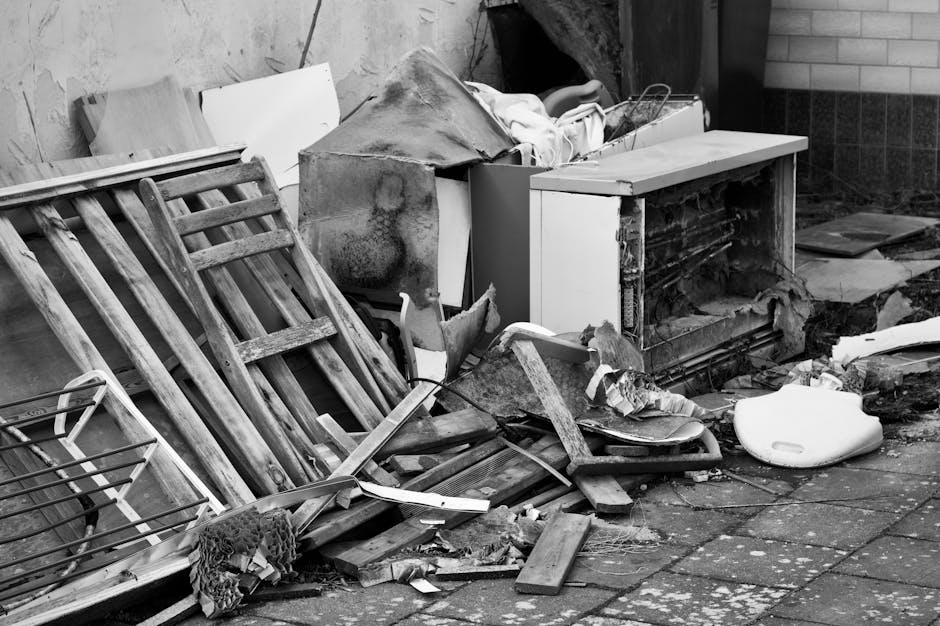
Not every transport job is about keeping everything. Sometimes a move includes unwanted furniture, leftover household items or business contents that need to be sorted before the final load goes out. In those cases, a man with a van can support a more practical clear-out by moving items for reuse, disposal or recycling where appropriate. The service is most useful when the aim is to reduce clutter without turning the job into a separate project.
If you want to think about how unwanted items are handled, the recycling and sustainability page may be helpful as background. It sits alongside transport work rather than replacing it. For customers who have only a few pieces to move on or off the property, the same van journey can sometimes handle both the keep and remove parts of the job with the right planning.
Clear separation is important here. Items that are staying, items that are going and items that may need extra care should be grouped before loading starts. That makes unloading more efficient and reduces the chance of something being placed in the wrong pile. If you are unsure what should be included in the load, list the objects in plain terms and say which ones are to be kept, which are to be moved elsewhere and which are no longer needed.
Booking support and final quotation details
The easiest way to organise a man with a van job is to keep the initial request specific but simple. Tell us what needs moving, whether the job is residential or commercial, and whether there are any objects that need dismantling, lifting help or extra protection. That is often enough to shape a sensible reply and to decide whether the work is best handled as a collection, a move or a mixed transport run.
For customers who want to review the service structure before sending details, the removal services page offers a broader overview, while removals is useful if you want to see the general transport and moving scope in one place. If your enquiry is ready, send the job details now and ask for a quotation based on the actual load, not an estimate built around guesswork.
When you are ready, request a quotation and include the practical facts that affect the job: collection point, delivery point, number of items, access notes and any deadline that matters to you. If the move involves a short list, one bulky item or a more involved home or office shift, the same approach applies. Give the details once, and the reply can focus on the work that really needs to be done.