Restricted-Access Homes on Seven Sisters: Moving Solutions
Moving into or out of a restricted-access home in Seven Sisters can feel like one of those jobs that is simple on paper and oddly complicated in real life. Narrow stairwells, basement entrances, tight front doors, shared hallways, loading restrictions, awkward parking, and the classic "the sofa was fine in the old place, but not here" problem all tend to show up at once. That is exactly why Restricted-Access Homes on Seven Sisters: Moving Solutions matters: it is about planning the move around the property, not forcing the property to fit the move.
In this guide, you will find a practical breakdown of how restricted-access moves work, what to check before moving day, which options tend to suit different homes, and where people usually trip up. We will also cover compliance, safety, and the kind of common-sense preparation that saves time, stress, and a few bruised door frames. Truth be told, a well-run move here is less about muscle and more about good judgement.
Expert summary: If access is tight, the smartest approach is to measure early, plan loading carefully, choose the right vehicle and team size, and keep a backup plan for storage, packing, or split deliveries. That simple framework solves a surprising number of problems.
Table of Contents
- Why Restricted-Access Homes on Seven Sisters: Moving Solutions Matters
- How Restricted-Access Homes on Seven Sisters: Moving Solutions Works
- Key Benefits and Practical Advantages
- Who This Is For and When It Makes Sense
- Step-by-Step Guidance
- Expert Tips for Better Results
- Common Mistakes to Avoid
- Tools, Resources and Recommendations
- Law, Compliance, Standards, or Best Practice
- Options, Methods, or Comparison Table
- Case Study or Real-World Example
- Practical Checklist
- Conclusion
- Frequently Asked Questions
Why Restricted-Access Homes on Seven Sisters: Moving Solutions Matters
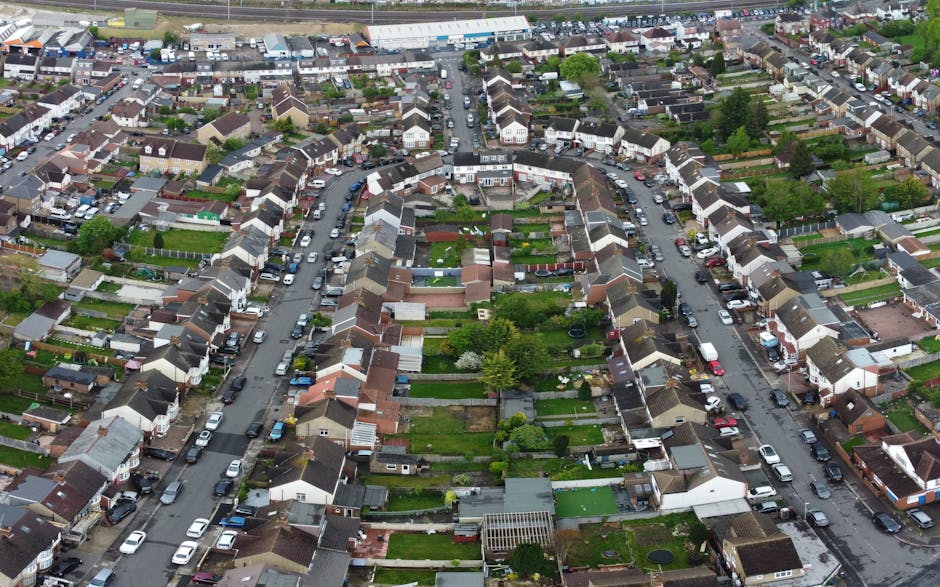
Restricted-access properties are common in London, and Seven Sisters is no exception. You might be dealing with Victorian conversions, maisonettes, flats above shops, terraced homes with steep steps, or buildings where the nearest parking space is not exactly close. The move still has to happen, but the route into the property may be the real challenge.
Why does that matter so much? Because access issues affect almost everything: vehicle choice, team size, packing method, timing, and how long the job will take. A move that would be straightforward in a detached house with a driveway can become much trickier when there is no lift, the stairwell is narrow, and the road outside is already busy by 8 a.m.
This is where a proper moving plan earns its keep. Instead of treating every item the same, the crew has to work item by item, doorway by doorway. A wardrobe that can be carried upright in one house may need partial dismantling in another. A fridge may fit through the front door but not around a corridor bend. That is the kind of detail that makes or breaks the day.
There is also a wider cost to getting it wrong. Delays can increase labour time, poor lifting can raise the risk of damage, and rushed decisions can create stress that nobody needs on moving day. Let's face it, moving is already a bit much without adding a badly planned sofa rescue mission.
How Restricted-Access Homes on Seven Sisters: Moving Solutions Works
Moving solutions for restricted access usually begin before anyone touches a box. Good movers start with an access review, either from photos, a video walkthrough, a phone conversation, or an in-person survey. They want to know about stair width, ceiling height, parking distance, doorway clearance, lift availability, and any restrictions on loading times or stopping outside the property.
Once the layout is understood, the move can be matched to the right method. In many cases, a smaller vehicle such as a man with van service or a flexible man and van option works better than sending in a large truck that cannot park nearby. For larger homes or heavier loads, a bigger vehicle may still be fine, but only if the access conditions genuinely support it. Size is not everything. Sometimes smaller is smarter.
Then comes packing and load planning. Fragile items are usually grouped for quicker handling, bulky items are wrapped and protected, and heavy boxes are positioned so they can be moved safely. If the property is especially tight, it can help to use labelled, uniform boxes and separate out awkward items like mirrors, floor lamps, bicycles, and dismantled furniture legs.
On the day itself, movers often work in stages. They may place items in a hallway holding area, load from the easiest rooms first, or make multiple shorter trips rather than trying to force one oversized run. In some cases, storage is part of the solution, especially if access is limited and completion dates, refurbishment work, or landlord rules mean not everything can go in at once.
That approach is practical, calm, and far more predictable. It is also kinder to the property. Tight access does not have to mean damage. It just means the process needs a bit more thought.
Key Benefits and Practical Advantages
The biggest benefit of a restricted-access moving solution is control. Instead of discovering problems halfway through the move, you plan for them from the start. That usually means fewer surprises, less waiting around, and less chance of panic when the final bed frame reaches the stair landing and, well, refuses to cooperate.
Other advantages include:
- Better safety: fewer rushed lifts, less chance of strain, and more room for careful handling.
- Cleaner time estimates: access planning helps produce a more realistic schedule.
- Reduced risk of damage: to the property, furniture, and staircases.
- Right-sized vehicle choice: a smaller or mid-size vehicle may be the correct fit for Seven Sisters streets.
- Less disruption to neighbours: which matters in shared buildings and terraced streets.
- More useful packing decisions: because awkward items can be prepared in advance.
There is also a psychological benefit people often underestimate. When the access plan is sorted, the whole move feels less chaotic. You know where the vehicle will go, how items will be carried, and what the fallback options are if something needs to be dismantled. That kind of certainty is worth a lot on moving day.
If the move is part of a larger home relocation, it may also be sensible to review broader services such as home moves, house removals, or even flat removals if the home is a converted apartment. Choosing the right service for the property type makes the process feel much more joined up.
Who This Is For and When It Makes Sense
This kind of moving solution is for anyone whose home access is more awkward than average. That could be a flat on the third floor with no lift, a basement maisonette with a narrow entrance, a house with very limited on-street parking, or a property where furniture must be carried through a shared stairwell. You might already know the access is poor, or you may only discover it once you start measuring the big items. Happens all the time.
It is especially useful for:
- Tenants moving into or out of upper-floor flats
- Families in converted houses or period properties
- Students with limited furniture but awkward access
- People moving at short notice who need a fast, adaptable team
- Households with large or fragile items that cannot simply be squeezed through a tight route
- Businesses or home offices relocating from properties with restricted loading access
For small moves or one-off bulky items, a man with van arrangement is often a good fit. For larger or more complex moves, it may make sense to look at removals or broader removal services so the move can be broken down more safely.
If the property is office-based, even if it is a small workspace above a shop or in a mixed-use building, the same logic applies. In that case, commercial moves or office removals may be more appropriate than a standard domestic job.
Step-by-Step Guidance
Here is the simplest way to approach a restricted-access move in Seven Sisters without making it harder than it needs to be.
- Measure the access points. Check door widths, stair turns, lifts, and hallway bottlenecks. Measure the largest items too, not just the boxes.
- Map the parking and loading point. Work out how far the vehicle will be from the entrance and whether there are any stopping restrictions.
- Separate awkward items early. Beds, wardrobes, mirrors, pianos, white goods, and oversized sofas should be flagged at the start.
- Decide what should be dismantled. Flat-pack furniture may survive intact, but older or larger items are often easier to move in parts.
- Choose the right vehicle and crew size. Smaller vehicles can be easier in busy residential streets; bigger teams can reduce carrying time.
- Pack for speed and handling, not just storage. Uniform boxes and clear labels save a lot of faffing about later.
- Plan the route inside the property. Identify where items will pause, turn, or need protecting from walls and corners.
- Build in a contingency. If something does not fit, decide in advance whether it will be dismantled, stored, or moved separately.
If your move includes delicate or specialist pieces, it is worth discussing piano removals or furniture removals rather than assuming everything can be handled the same way. Not every item enjoys a narrow staircase. Some just look at it and refuse to cooperate.
Expert Tips for Better Results
In our experience, the most successful restricted-access moves are the ones where the details are boringly clear. That might not sound glamorous, but it saves a lot of trouble.
- Send photos before moving day. Staircases, entrances, the front of the building, and the parking area are the key angles.
- Measure the old and new home. Do not assume the same sofa will fit both places in the same way.
- Keep essentials in one bag. Keys, phone charger, kettle bits, medication, and documents should travel with you.
- Use proper wrapping for corners and edges. Restricted access often means tighter turns and more contact with walls.
- Ask about insurance and handling procedures. You want to know how the mover approaches risk before the move starts. A trustworthy team should be open about it.
- Split the load if necessary. A second trip can be better than forcing everything into one overstuffed run.
It also helps to think like a mover for ten minutes. Stand in the hallway and look at the route as if you were carrying a mattress. Is there a lamp in the way? A mirror? A weirdly sharp corner that keeps catching elbows? Those tiny observations can prevent the day from going sideways.
If speed matters, perhaps because keys are changing hands or access windows are short, same-day removals may be useful. For homeowners or tenants with a larger quantity of belongings, packing and boxes or packing and unpacking services can make the move feel far less chaotic.
Common Mistakes to Avoid
Most problems in restricted-access moves are not dramatic. They are small, preventable things that stack up. A few missed measurements here, a poor parking assumption there, and suddenly the job is taking twice as long.
- Assuming access is "probably fine". Probably is not a plan.
- Not checking stair turns or landings. This is where many large items get stuck.
- Leaving packing too late. Loose, overfilled boxes slow everything down.
- Ignoring building rules. Shared entrances, lift bookings, and noise restrictions can matter more than you think.
- Choosing the wrong vehicle size. Too large can be awkward; too small can mean extra trips and more cost.
- Forgetting parking and carrying distance. Even a short walk with a heavy item gets tiring fast.
A classic mistake is assuming the old property's moving method will work again. Sometimes it does, but often it does not. Different building, different route, different headache. That is life, unfortunately.
Tools, Resources and Recommendations
You do not need a truck full of specialist gear for every move, but the right basics make a huge difference.
Useful items and preparation aids:
- Measuring tape for doors, furniture, and stair widths
- Furniture blankets and protective wrapping
- Strong tape and labels
- Marker pens for box contents and room names
- Disassembly tools for beds, tables, and shelving
- Door and wall protectors for tight corners
- Rope or straps for securing items in transit
For many households, the smartest "resource" is simply a good plan and a realistic quote. That is why it is worth looking carefully at pricing and quotes before you commit. A vague quote can be fine for a simple job, but restricted access is rarely a simple job.
It is also sensible to look at the mover's wider approach to safety and trust. Pages such as insurance and safety and health and safety policy can give you a clearer sense of how seriously they treat risk, while about us can help you understand who you are dealing with. Small thing? Maybe. But small things matter when someone is carrying your fridge downstairs.
Law, Compliance, Standards, or Best Practice
For moves involving restricted access, compliance is mostly about doing the practical things properly and safely. That means following reasonable manual-handling practices, respecting property rules, protecting common areas, and using insured, competent help where needed. In the UK, it is normal to work carefully around building access, parking controls, and the property owner's or managing agent's instructions.
Best practice usually includes:
- Carrying items with proper team coordination
- Avoiding unsafe solo lifts for heavy or awkward objects
- Protecting floors, bannisters, and doorframes where needed
- Planning around permitted loading or parking times
- Communicating clearly with landlords, tenants, or building managers
- Using appropriate insurance and careful handling methods
If a move involves office equipment, business stock, or a shared commercial building, then the practical expectations are usually even tighter. That is where a service like office relocation services can be more appropriate than a general household move, especially where access has to be coordinated with other occupants.
For some jobs, sustainability matters too. Reusing packaging where safe, separating reusable furniture, and reducing waste all support a cleaner move. If that matters to you, recycling and sustainability is worth reviewing alongside the move plan.
Options, Methods, or Comparison Table
There is no single best method for every restricted-access home. The right choice depends on the size of the load, the staircase, the distance from the vehicle, and how much time you have. The table below gives a simple comparison.
| Move Type | Best For | Strengths | Limitations |
|---|---|---|---|
| Man and van | Small to medium moves, quick jobs, awkward streets | Flexible, easy to park, often ideal for tight access | May need multiple trips for larger loads |
| Full removals team | Family homes, fuller properties, heavier furniture | More hands, better for large or complex moves | Needs stronger planning if streets are tight |
| Split delivery with storage | Moves with timing gaps or access problems | Reduces pressure on moving day, useful if not everything fits | Adds an extra stage to the process |
| Same-day removals | Urgent move-outs or short-notice changes | Fast response, useful in a pinch | Less time for preparation, so access details must be clear |
For many Seven Sisters properties, the best answer is a hybrid. A smaller vehicle, careful packing, and a clear route through the building can work better than a bigger, more impressive-looking setup. Impressive is not the goal. Getting the job done cleanly is.
Case Study or Real-World Example
Imagine a second-floor flat in Seven Sisters with a narrow shared staircase, no lift, and a controlled parking area outside. The residents have a sofa, a double bed, a dining table, several boxes, and a few fragile items. Nothing outrageous. Just enough to cause problems if handled casually.
Instead of sending a large vehicle and hoping for the best, the mover reviews photos of the stairwell and entrance, checks the parking situation, and confirms that the bed frame will need dismantling. The sofa is measured against the hallway bend. The client is asked to pack small items in labelled boxes and keep one essentials bag back for the final day.
On moving day, the vehicle parks as close as possible, the team works in a sequence that keeps the stairwell clear, and the bed frame is carried in pieces. No drama. No scratched banister. No "that won't turn the corner" moment. The job still takes concentration, but the result is smooth enough that the client can actually breathe at the end, which, to be fair, is the point.
This is also where services like house removalists or removal companies can be helpful because they are usually better set up to manage those layers of planning than a rushed, one-size-fits-all arrangement.
Practical Checklist
Use this checklist before booking a move for a restricted-access home in Seven Sisters:
- Measure every large item you are taking
- Measure doors, stairs, lifts, and hallway turns
- Take photos of the entrance and access route
- Confirm parking or loading restrictions
- Ask whether furniture needs dismantling
- Separate fragile, heavy, and awkward items
- Label boxes clearly by room
- Decide whether storage may be needed
- Check insurance and handling arrangements
- Confirm the arrival window and access times
- Set aside essentials you need on the first night
- Keep children and pets out of the access route on the day
If you are moving as a student, or from a smaller rented place, you may also find student removals a good fit, especially when the load is light but the access is awkward. And if furniture needs to be cleared or replaced, furniture removals or furniture pick-up can help tidy up loose ends without turning the move into a week-long saga.
Quick takeaway: Restricted-access moves succeed when the plan is built around measurements, realistic vehicle choice, and a calm step-by-step process. Get those right and the rest tends to fall into place.
Conclusion
Restricted-access homes in Seven Sisters need a moving plan that is flexible, careful, and grounded in the real conditions of the property. The best results come from early measurements, sensible packing, the right vehicle, and a team that knows how to work around tight stairs, limited parking, and awkward entrances without making a fuss.
If you treat access as the main issue rather than an afterthought, the move becomes far more manageable. That is the whole game, really. Not perfect conditions. Just smart decisions, made early.
Get a free quote today and see how much you can save.
And if the day feels a bit heavy before it even begins, that is normal. A good move should leave you tired, yes, but also relieved. That relief is worth planning for.
Frequently Asked Questions
What counts as a restricted-access home in Seven Sisters?
Usually, it means a property where moving furniture in and out is harder than usual because of narrow stairs, no lift, tight hallways, limited parking, shared entrances, or a long carry from the vehicle.
Do I need a special moving service for restricted access?
Not always, but you do need a service that understands access planning. For small jobs, a flexible van-based move may work well. For bigger homes or heavier furniture, a more complete removals service is often better.
How do movers check whether my sofa will fit?
They usually compare the sofa's measurements with the entrance, stair turns, and internal routes. Photos help, but measurements are better. If in doubt, the item may need to be dismantled or carried in a different way.
What should I send before moving day?
Send photos of the entrance, staircase, parking area, and any awkward corners. It also helps to share measurements for large items and mention anything fragile, heavy, or unusually shaped.
Is storage useful for restricted-access moves?
Yes, especially if access is limited, completion dates do not line up, or not everything can be moved in one go. Storage can make the whole process much calmer.
Can a man and van handle a tight staircase?
Often, yes. A smaller setup can be easier to park and more practical in tight residential streets. It depends on the load size and whether the furniture itself can be moved safely through the building.
How far in advance should I plan this kind of move?
As early as possible. Even a few extra days can help with measuring, packing, parking arrangements, and deciding whether items need dismantling or storage.
Will restricted access make my move more expensive?
It can, because extra time, more labour, or a second trip may be needed. But a good plan can also prevent avoidable delays, so the final result is not always as costly as people fear.
What if my building has loading restrictions?
Then timing matters even more. You may need to move within a permitted window or arrange a vehicle size that can load quickly and legally. This is where clear communication before the day really pays off.
Should I dismantle furniture before the movers arrive?
If you know the access is tight, yes, it often helps. Beds, tables, shelving, and large wardrobes can be easier to move in parts. If you are unsure, ask the mover first so you do not take something apart that would have fitted fine.
What if an item does not fit on the day?
A good mover will usually have a fallback plan, such as dismantling, adjusting the carry route, or moving the item separately. That is another reason why access planning is so valuable before the day starts.
Can restricted-access moves work for offices too?
Absolutely. Small offices, home offices in upper-floor properties, and mixed-use buildings often face the same access problems as homes. In those cases, office removals or office relocation services may be the better fit.
How can I make moving day less stressful?
Keep access clear, pack early, label everything, and have essentials separate. The calmer the preparation, the calmer the day. It does not fix everything, but it really helps.
If you want a move that feels thought-through rather than improvised, start with the access details. That is where the real difference is made.